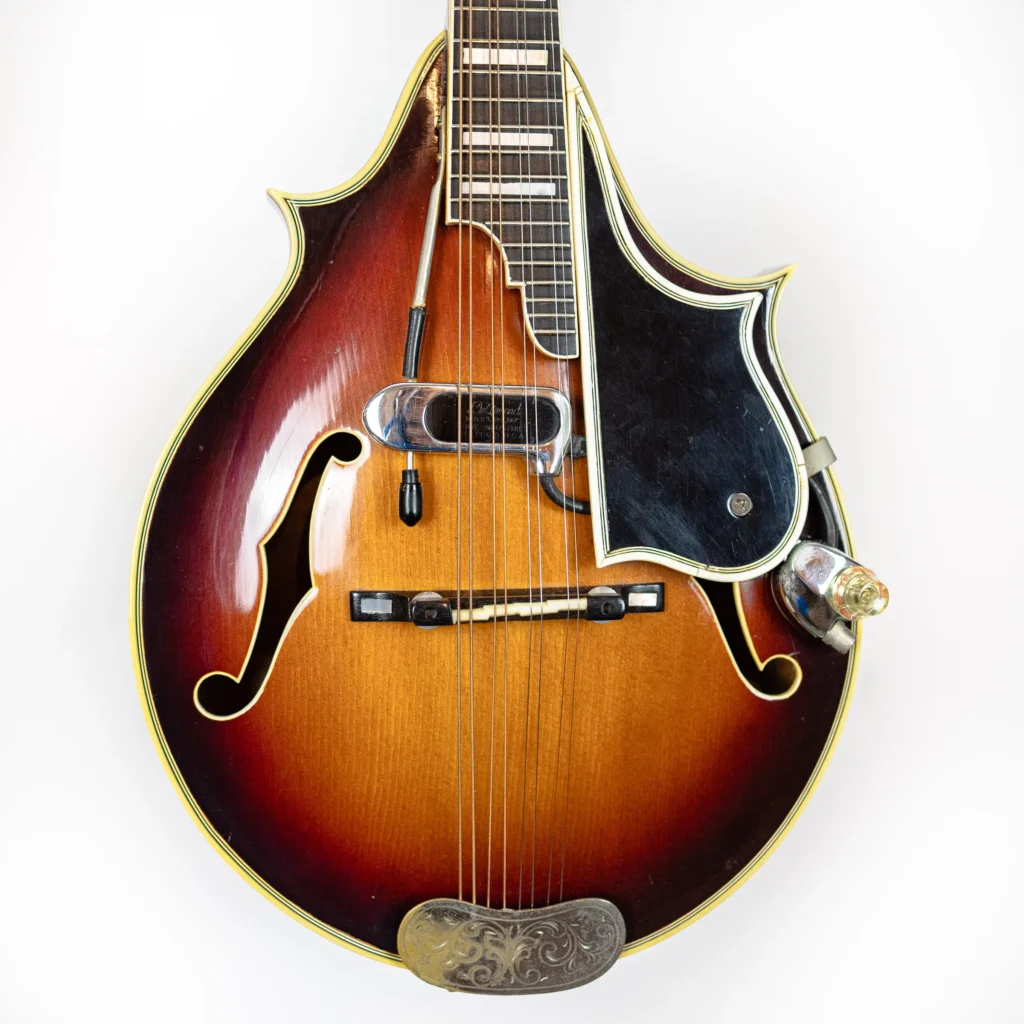
Perhaps no one in the 20th century thought more about the method of attachment to arch-top bridges than Harry DeArmond. A prolific designer, inventor, and musician, he is credited with inventing the first commercially available attachable guitar pickup in the 1930s. Amplification of stringed instruments was then in it’s infancy. The instruments that did have pickups installed were integrated into the body, like a lap steel.
Much of the instruments owned and played were at the time of course, only acoustic. When money was sparse, how was a musician to be heard on the increasingly loud stages of the jazz era? DeArmond’s designs appear to seek the preservation of what was great about the acoustic instruments of the period while also allowing them to be heard. Being a simple, cost-effective add-on for the musician rather than having to outright purchase a new instrument, it’s no surprise these floating pickup designs are still in use by jazz artists today.
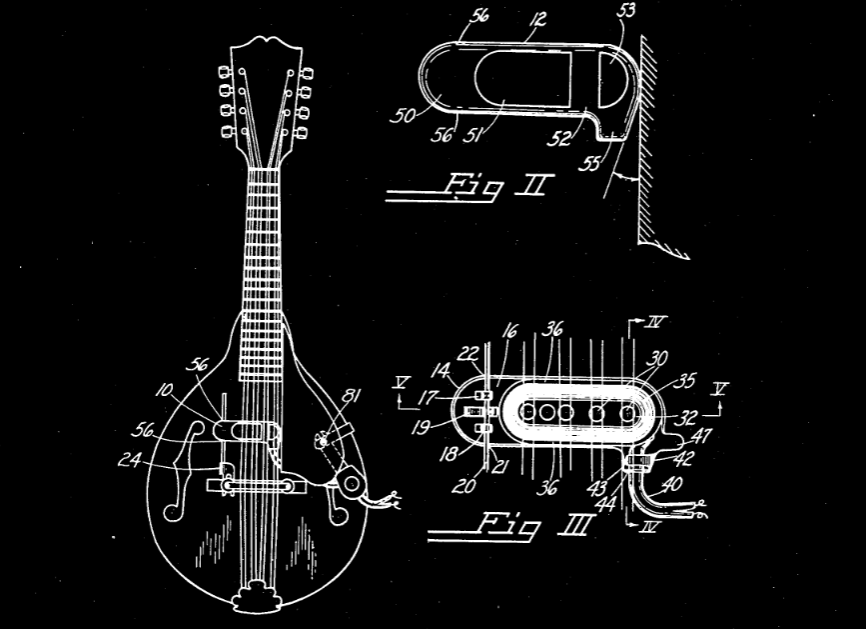
One of these designs appear to target the mandolin player. US Patent No. 2455567A shows a Honer-esque A style mandolin with a floating electromagnetic pickup. Unlike his famous “Monkey-on-a-stick” where the “stick” makes a touch-less wrap around the player side of the bridge, the base of the stick here braces a fork on the player side bridge adjustment screw. He refers to this as “a bifurcated supporting bracket, the two ends of which are adapted to slide under the knurled nut…”
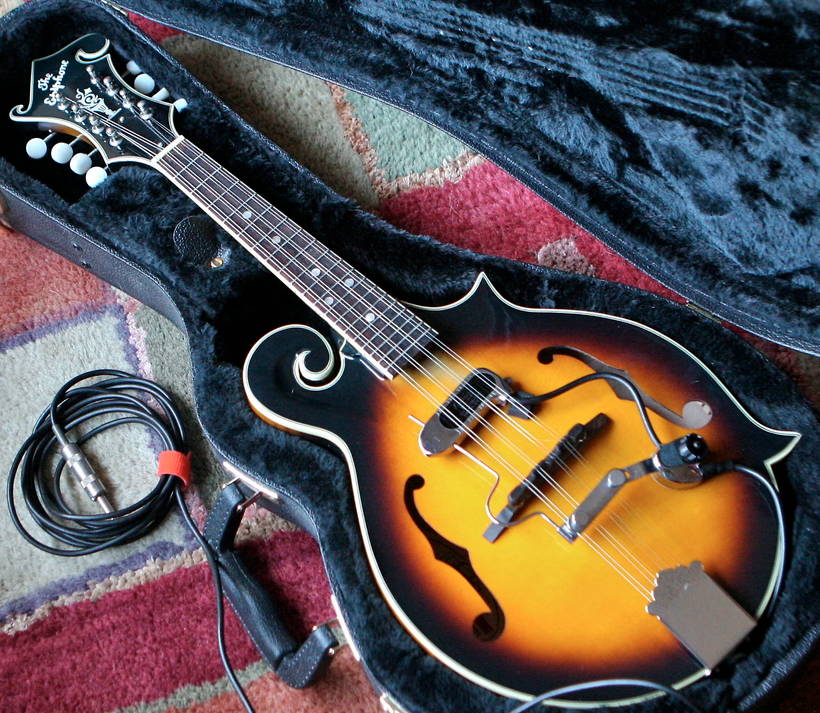
I haven’t been able to find any surviving examples of the stabilizing fork protruding from the bridge. Perhaps this design was never used in production, or given the fact a rod can be inserted from both ways into the coil casing, the rod was preferred to extend from the neck down, or the classic bridge wrap around worked better, the other rod shaped being discarded. Examples of these methods do survive.
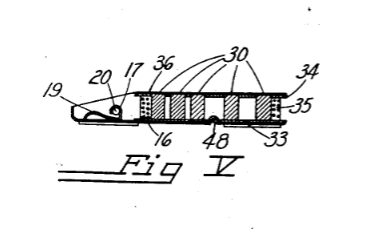
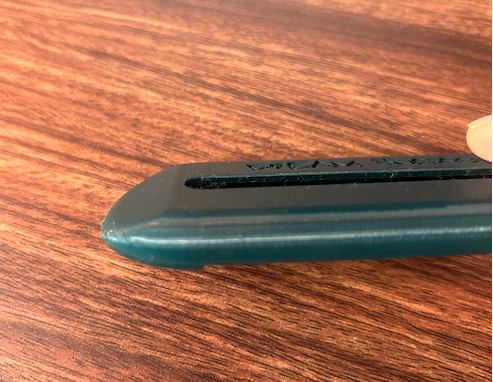
Another interesting find is in Figure 5, which shows a very nice cutaway heel on the player side – no doubt to prevent the playing hand from brushing against the electromagnet. My earlier designs included this slope, almost to the same angle and extent as DeArmond’s! Convergent evolution.
August 7, 2025 Update:
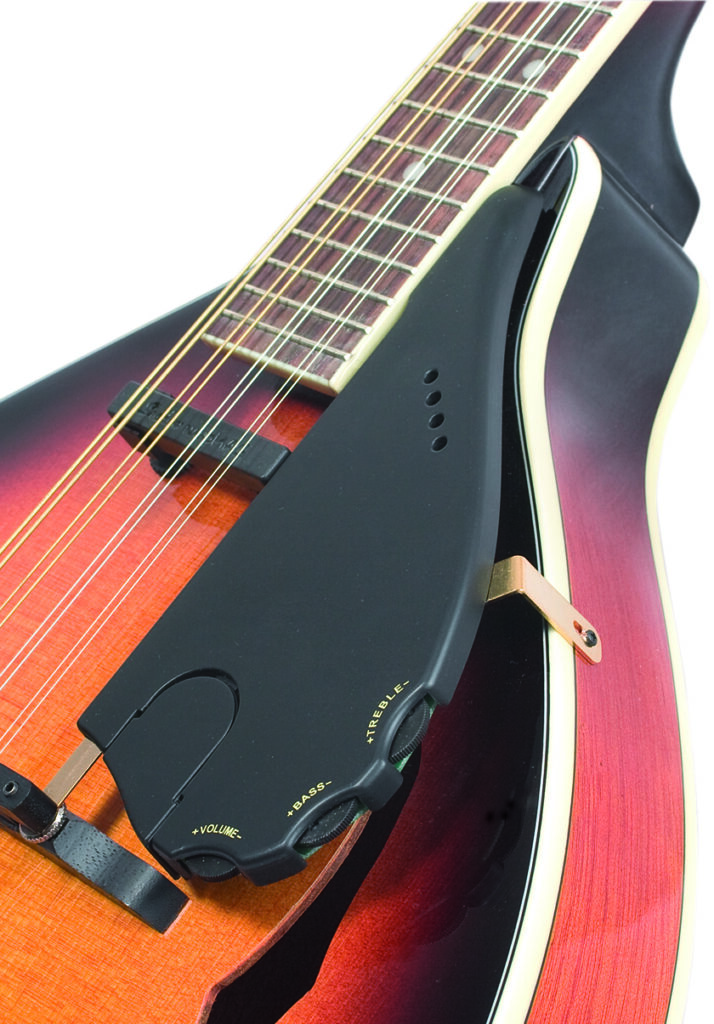
I stumbled upon an example of a stabilizing fork being used at present in the Shadow SH 928. It surprisingly appears situated above the adjustment wheel on the treble side, implying the strings have to be slack before the fork can be inserted: